Cable-Driven and Hydraulic

Residential Elevators in Southeast Michigan

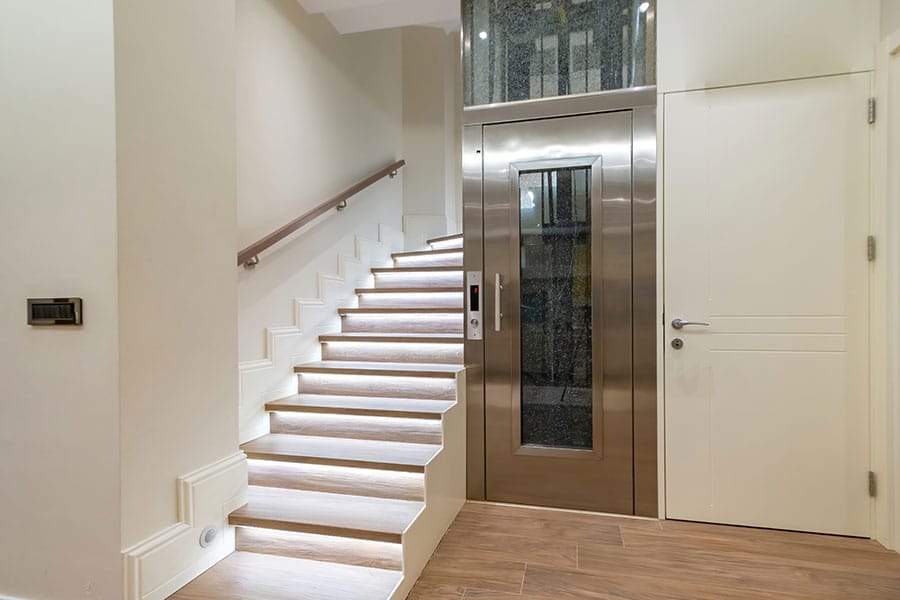
A residential elevator provides access between floors of a home without requiring someone to use the stairs. For homeowners with mobility challenges, wheelchair users, or families planning for long-term accessibility, a home elevator may provide a practical way to use multiple levels of the house.

Barrier Free Plus provides residential elevator solutions and accessibility modifications throughout Macomb, Oakland, and Wayne counties, Michigan. Our licensed and insured team includes Certified Aging-in-Place Specialists who help homeowners evaluate accessibility needs and the modifications their homes may require.

residential-elevator
Roll-In Shower Special: $1000 Off! Contact Us Now!
elevator-in-home

When Is a Residential Elevator the Right Choice?

A residential elevator may be appropriate when a homeowner needs regular access to two or more levels and using the stairs has become difficult, unsafe, or impractical.

It may be worth considering when:

  • A wheelchair user needs access between floors without transferring to a stairlift seat.

  • The household wants to make multiple levels accessible for changing mobility needs.

  • A stairlift or vertical platform lift does not adequately meet the intended use.

  • The home has a suitable location for the elevator and necessary structural modifications.

Not every home is a practical candidate for an elevator. Available space, construction requirements, accessibility needs, and project budget all affect the recommendation.

What Determines Whether a Home Elevator Will Fit?

Before selecting an elevator, the first consideration is how it will fit into the home and meet the needs of the people using it.

Available Space and Placement

Residential elevators require appropriate space for the selected equipment, access at each level, and any necessary structural or electrical components.

Potential installation locations depend on the home's layout and may involve existing interior spaces or modifications to the floor plan. An assessment helps establish which configurations are practical.

Wheelchair Accessibility

A residential elevator can be configured for wheelchair access when the selected model has suitable dimensions and capacity.

Important considerations include doorway clearance, interior cab dimensions, turning and approach space, weight capacity, and whether a caregiver or attendant needs to travel with the user.

These requirements should be considered before choosing an elevator model.

Elevator Type and Configuration

Residential elevators are available with different drive systems, including cable-driven and hydraulic designs.

The appropriate equipment depends on the home's layout, travel distance, installation requirements, manufacturer specifications, and intended use.

Design and finish options also vary by model. Interior surfaces, lighting, controls, and door configurations can be considered as part of the selection process.

Residential Elevator vs. Stairlift vs. Vertical Platform Lift

An elevator is not always the simplest or most economical way to improve access between levels.

Stairway Access

Stairlift

Travels along a staircase using a mounted seat. It is generally a less extensive installation, but the user must be able to safely get onto and off the seat.

Platform Access

Vertical Platform Lift

Raises or lowers a platform between designated levels. It may be appropriate for wheelchair access where the travel distance, available space, and installation conditions suit the equipment.

Which makes the most sense? The best choice depends on the home's construction, mobility requirements, number of levels, and available budget.

What Affects Residential Elevator Cost?

Residential elevator pricing depends on more than the equipment itself. The home may require structural, electrical, or finishing work to accommodate the installation.

Major cost considerations include the elevator model and drive system, number of floors served, travel distance, cab size, wheelchair-accessibility requirements, structural modifications, electrical work, and selected finishes.

Elevator model and drive system

Number of floors served and travel distance

Cab size and wheelchair-accessibility requirements

Structural modifications and electrical work

Interior finishes and customization options

Construction requirements for the installation area

Why a Home Assessment Matters

An accurate estimate requires reviewing the home and proposed installation area.

Barrier Free Plus provides written quotes based on project requirements rather than assuming that every residential elevator installation has the same scope.

Installation, Permits, and Project Planning

Residential elevator installation involves both accessibility planning and technical construction requirements.

Technical Requirements

Michigan regulates elevator installation and requires applicable permits and properly licensed elevator professionals for regulated work.

Permits and Inspections

The required approvals and inspections must be established for the proposed equipment and installation.

Project Scheduling

Project schedules depend on the selected elevator, equipment availability, construction work, permitting, and installation requirements.

Planning for Future Accessibility

A home elevator may be part of a broader aging-in-place or accessibility renovation.

When considering an elevator, homeowners should think about both current and future mobility needs, including whether wheelchair access, caregiver assistance, or changes to other parts of the home may become necessary.

Barrier Free Plus also provides barrier-free bathroom modifications, accessible kitchens, and other home accessibility solutions.

Funding Assistance for Eligible Veterans

Certain veterans and service members may qualify for VA housing adaptation programs, including Specially Adapted Housing (SAH) and Special Home Adaptation (SHA) grants.

Eligibility and coverage depend on the individual's circumstances and the proposed modification. Funding for a specific residential elevator project is not guaranteed and should be confirmed directly with the appropriate program.

Visit our Veterans Information page for additional resources.

Residential Elevator FAQs

These answers address common questions about residential elevator installation, accessibility, space requirements, and planning a home modification.

Can a residential elevator fit a wheelchair?

Yes, certain residential elevator models are designed to accommodate wheelchairs. The required interior dimensions, door clearance, and weight capacity depend on the wheelchair and whether another person will travel with the user.

Does a home elevator require a shaft?

Installation requirements vary by elevator model. Some configurations require an enclosed shaft and associated construction, while other designs may have different space and structural requirements. The appropriate configuration must be evaluated for the home.

Is a stairlift less expensive than a home elevator?

A stairlift is often less expensive to install because it typically requires fewer structural changes. However, a stairlift may not meet the needs of someone who must remain in a wheelchair while traveling between floors.

Can a residential elevator operate during a power outage?

Emergency operation and backup-power features depend on the elevator model. Some systems provide battery-powered emergency lowering or other backup functions. Homeowners should confirm the specific capabilities and limitations of the equipment being considered.

How long does residential elevator installation take?

The schedule depends on the elevator model, construction requirements, permits, and equipment availability. Projects involving substantial structural modifications generally require more planning than simpler accessibility installations.

What should I have ready when requesting an estimate?

It helps to know which floors need to be connected, who will use the elevator, whether wheelchair access is required, and whether you have floor plans or measurements available.

An evaluation of the home is still necessary to determine what can be installed.

Residential Elevator Installation in Southeast Michigan

Based in Macomb Township, Barrier Free Plus serves homeowners throughout Macomb, Oakland, Wayne, and portions of St. Clair County, Michigan.

Whether you are planning for changing mobility needs or evaluating a residential elevator as part of a larger home renovation, our team can help you explore suitable accessibility modifications.

Request a Free Residential Elevator Quote »

Start Living Barrier Free!

Contact us to learn more about our custom Barrier Free solutions.
Call Now Button